

The use of magnetron sputtering coating instrument and matters needing attention


Release time:

2024-07-29

Magnetron sputtering coating instrument (PVD coating equipment) is a common surface coating equipment. It is a technology that uses evaporation or sputtering to deposit thin films on the surface of a substrate under vacuum conditions to prepare metals, alloys, compounds, semiconductors, ceramics, dielectric composite films and other chemical reaction films. It is suitable for plating various single-layer films, multi-layer films, doped films and alloy films, and can be used for plating magnetic materials and non-magnetic materials. Widely used in electronics, optoelectronics, optics, medical and other industries. In order to ensure its normal use and obtain a good coating effect, the following are some details and techniques that need to be paid attention to when using the magnetron sputtering coating instrument.
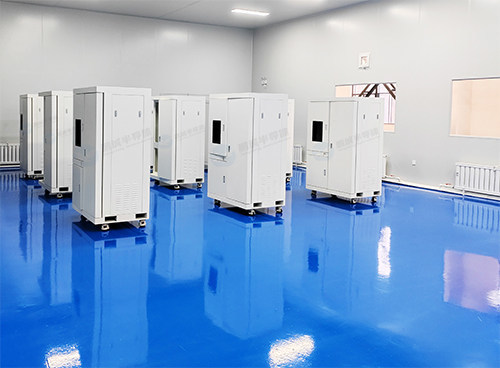
Magnetron sputtering coating instrument (PVD coating equipment) is a common surface coating equipment. It is a technology that uses evaporation or sputtering to deposit thin films on the surface of a substrate under vacuum conditions to prepare metals, alloys, compounds, semiconductors, ceramics, dielectric composite films and other chemical reaction films. It is suitable for plating various single-layer films, multi-layer films, doped films and alloy films, and can be used for plating magnetic materials and non-magnetic materials. Widely used in electronics, optoelectronics, optics, medical and other industries. In order to ensure its normal use and obtain a good coating effect, the following are some details and techniques that need to be paid attention to when using the magnetron sputtering coating instrument.

Correct installation and commissioning of the magnetron sputtering coater is an important step to ensure its normal operation. During the installation process, it is necessary to ensure the stability of the equipment and avoid excessive vibration and force. During debugging, the operation must be carried out in accordance with the requirements of the operation manual, and the parameters and key components must be adjusted to ensure that the equipment can achieve the expected performance indicators.
The vacuum system of the magnetron sputtering coating instrument needs to be fully evacuated before use and maintain a good sealing state. The evacuation process of the vacuum system takes a period of time, usually several hours or even longer. After the vacuum extraction is completed, the vacuum system should be tested for tightness to ensure that there are no obvious air leaks.
The selection and preparation of coating materials is also very important. When choosing a coating material, you need to consider the characteristics and requirements of the object to be coated, and choose the appropriate material. In the process of preparing the material, it is necessary to ensure that the material is of high purity, the particles are fine and uniform, and necessary cleaning treatment is carried out to ensure the quality and purity of the material.
When operating the magnetron sputtering coater, pay attention to the following points. To avoid device overheating and overload. According to the characteristics and requirements of the coating material, reasonably adjust the power, current and working time and other parameters to avoid overheating causing material melting or equipment damage. To follow the operating procedures, the correct use of coating process and procedures to ensure the uniformity and consistency of the coating.
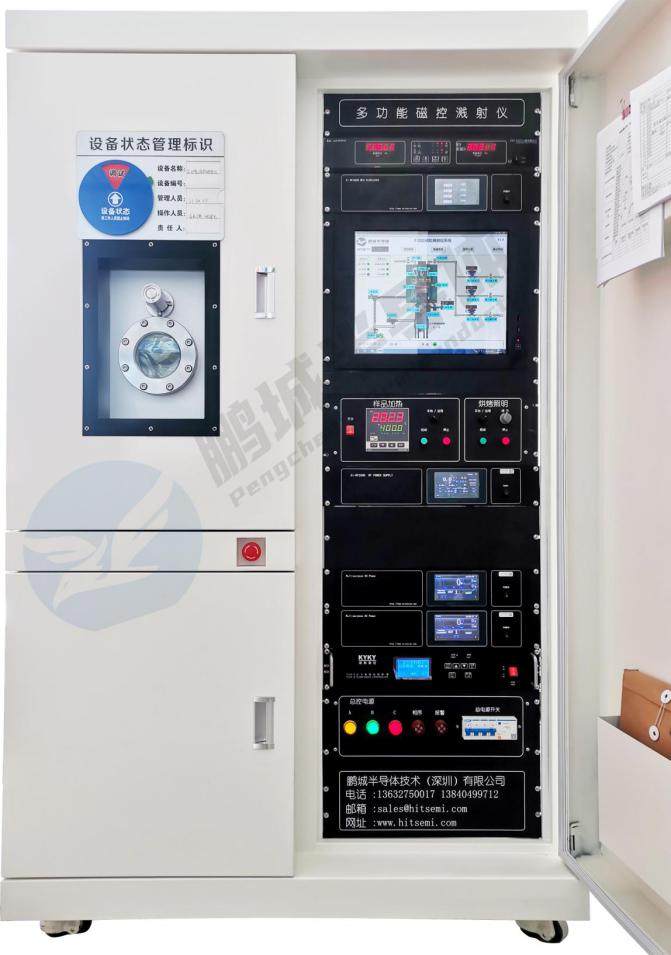

Regular inspection and maintenance of magnetron sputtering coater is also very important. Regularly check the various components and key parameters of the equipment, find and solve problems in time to ensure the stability and reliability of the equipment. At the same time, do a good job of cleaning the equipment, keep the equipment clean and tidy, and avoid the influence of impurities and pollutants on the coating effect.
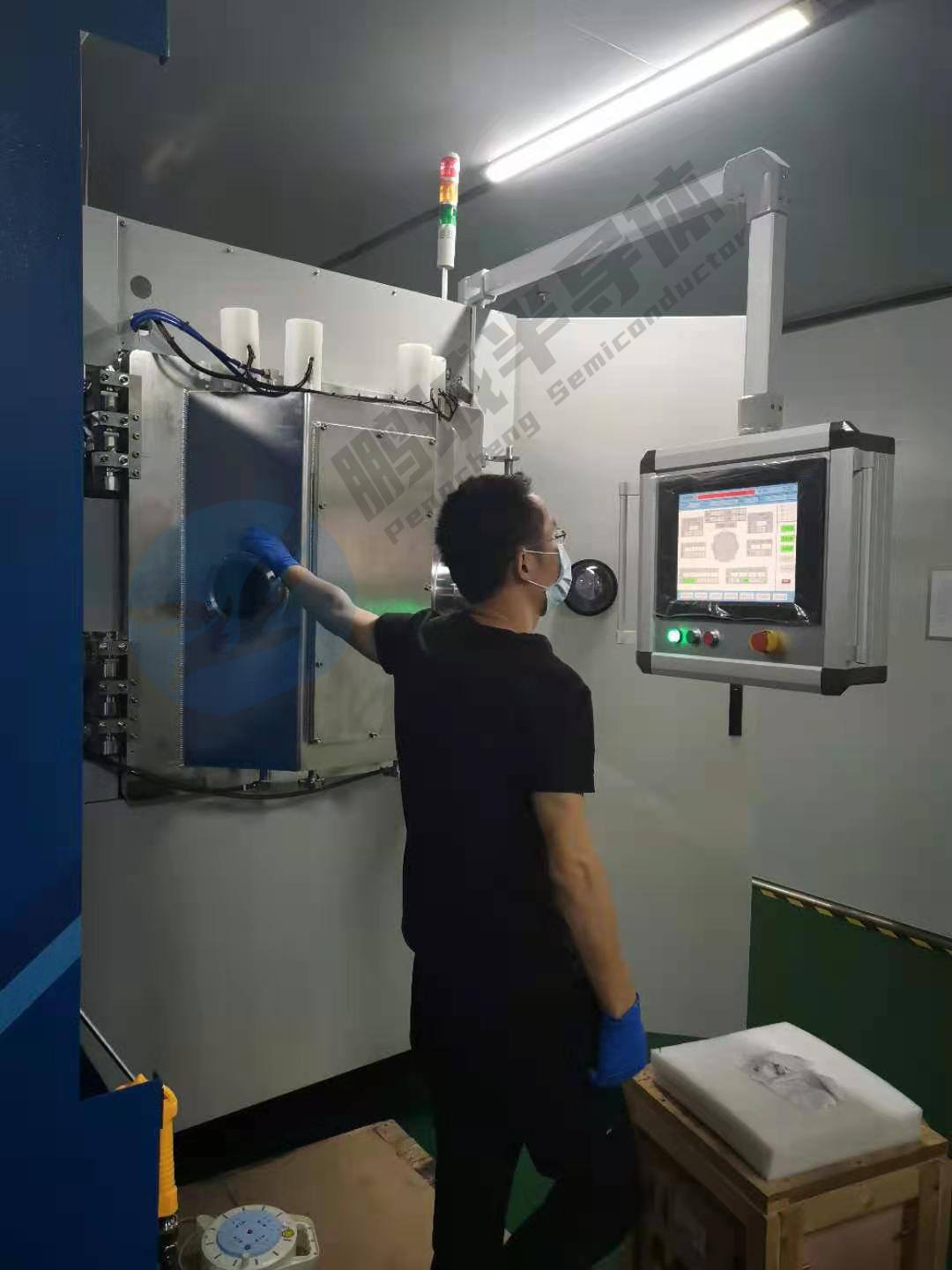
Equipment Manufacturer-Pengcheng Semiconductor Technology (Shenzhen) Co., Ltd

News Center

The TGV glass through-hole technology has achieved a significant breakthrough, and its application prospects continue to expand.

Recently, TGV (Through Glass Via) technology has made significant strides in the fields of materials processing and micro- and nano-manufacturing, drawing considerable attention from the semiconductor, advanced packaging, and emerging electronic device industries. With its outstanding electrical performance, high-frequency characteristics, and three-dimensional integration capabilities, TGV is emerging as one of the key technologies for next-generation high-density interconnects.

Application of TGV Glass Through-Hole Technology in Magnetron Sputtering

As an advanced micro- and nano-fabrication technique, TGV glass via-hole technology has demonstrated tremendous application potential in the field of magnetron sputtering. By precisely fabricating vias on glass substrates, this technology not only enables vertical interconnections for three-dimensional circuits but also significantly enhances the integration and performance of electronic devices.

Diamond: Possessing potential that surpasses existing semiconductor materials, with broader application prospects in the future.

Diamond is used as a semiconductor material—and some scholars even hail it as the “ultimate semiconductor material” and the “ultimate room-temperature quantum material”—owing to its unique physical and chemical properties. Diamond is an ultra-wide-bandgap semiconductor that boasts exceptional electrical, optical, mechanical, thermal, and chemical characteristics. These properties give diamond broad application prospects in numerous fields.

Pengcheng Semiconductor: The Strategy, Tactics, and Survival Guide of a High-Tech Enterprise

The 15th China International Nanotechnology Industry Expo (referred to as "Nanobio"), held under much anticipation, successfully came to a close. This year's event featured one keynote speech, 15 parallel forums, and hosted 605 cutting-edge presentations. Additionally, it included an innovation and entrepreneurship competition, along with three supply-and-demand matchmaking sessions. The expo brought together over 150 nationally recognized talents and more than 500 top experts from leading universities, research institutions, and corporate organizations both domestically and internationally. With an exhibition area spanning 25,000 square meters, the event attracted over 350 of the world's premier companies and institutions, showcasing more than 2,400 of the latest nanotechnology products and innovative applications globally. Over the three-day period, the expo drew nearly 27,500 attendees in total, making it the largest-ever edition in terms of scale and cementing its growing influence on the global stage.

Pengcheng Semiconductor Debuts at the High-End Professional Exhibition on "Optoelectronics + Semiconductors"—Shenzhen's 26th China International Optoelectronic Exposition

When the "light-speed" innovation of optoelectronics meets the "subtle" breakthroughs in semiconductors, two premier, high-end professional exhibitions leading global industry collaboration are set to make a cross-industry debut, shining brightly in Shenzhen. On September 10, the 26th China International Optoelectronic Expo (CIOE China Optics Expo) and SEMI-e Shenzhen International Semiconductor Exhibition, along with the 2025 Integrated Circuit Industry Innovation Expo, unveiled themselves at the Shenzhen International Convention & Exhibition Center. With an exhibition space exceeding 300,000 square meters, attracting over 5,000 exhibitors and expected to draw 160,000 professional visitors, these events have established a new benchmark for collaborative development between the optoelectronics and semiconductor industries, injecting powerful momentum into the global tech sector as it breaks through technological barriers and sparks fresh waves of innovation.